HomeBlog How Private Pension Contributions Affect Your Tax Bill
How Private Pension Contributions Affect Your Tax Bill

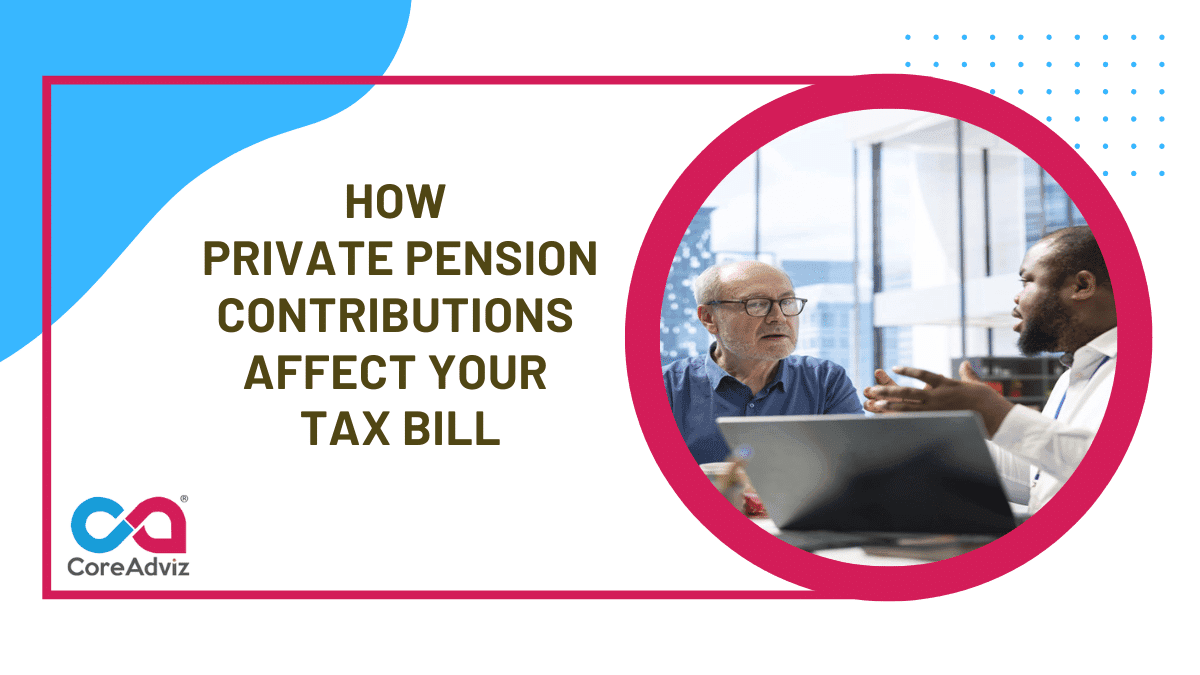
When you’re planning for retirement, putting money into a private pension doesn’t just help you save for the future but it can also lower the amount of tax you pay each year. Whether you’re self-employed, run a business, or work for a company, you must know how pension contributions affect your taxes is an important.
Some important aspects that you need to keep in mind before contributing to a pension in the UK are discussed below. You should also know the different tax advantages while contributing in private pension.
What Is a Private Pension?
A private pension is a way to save for retirement on top of the State Pension. Your employer can set up a workplace pension for you or you can start one yourself with a pension company. In both cases, you save part of your income for retirement. A big benefit is that the government gives you tax relief, and you will get back some of the tax you’ve already paid. This helps you save more and pay less tax.
How Private Pension Contribution Works for Basic-rate Taxpayers?
If you pay the basic rate of tax and put £80 into your pension, the government will add £20, making it £100 in total. This is called “relief at source,” and your pension provider will get the extra £20 from the government for you.
How It Works for Higher-rate (40%) and Additional-rate Taxpayers (45%)?
If you pay tax at a higher rate, you can get extra tax relief by filling out a Self-Assessment tax return. For example, if you put £100 into your pension, your respective provider will add £20 automatically. Then, you can claim another £20 back when you do your tax return.
How This Affects Your Tax Bill?
Paying into a pension reduces your total taxable income. This will help you stay in a lower tax band and avoid extra charges. For example, if you earn over £60,000, it will reduce or remove the High-Income Child Benefit Tax Charge. If you earn over £100,000, it can help you keep more of your tax-free personal allowance.
For example, if you earn £55,000 a year and put £5,000 into your pension, your taxable income goes down to £50,000. This can help you avoid paying a higher rate of tax or losing benefits like Child Benefit.
Self-Employed Contributions
If you’re self-employed, you won’t get pension contributions. But if you want you can still put money into a personal pension and get tax relief like anyone else. Even if you run a limited company, your company can pay into your pension. These payments count as a business expense, so they help lower your company’s Corporation Tax. It’s a smart and tax-efficient way to take money out of your business.
Use Unused Allowances
If you haven’t used your full pension allowance in the past three tax years, you may be able to carry it forward to boost your contributions without paying extra tax. This can be helpful if you want to make a large payment in a single year. To qualify, you must have been a member of a UK-registered pension scheme during those previous years, even if you didn’t make any contributions. You also need to use up your current year’s annual allowance before using any unused allowances from earlier years.
Conclusion
Putting money into a private pension is a smart way to save for the future and pay less tax. But make sure you don’t go over the yearly limit, and it’s a good idea to talk to a financial advisor or tax expert—especially if you earn a lot or are close to retirement.